Systems architecture, AI engineering & technical deep dives.
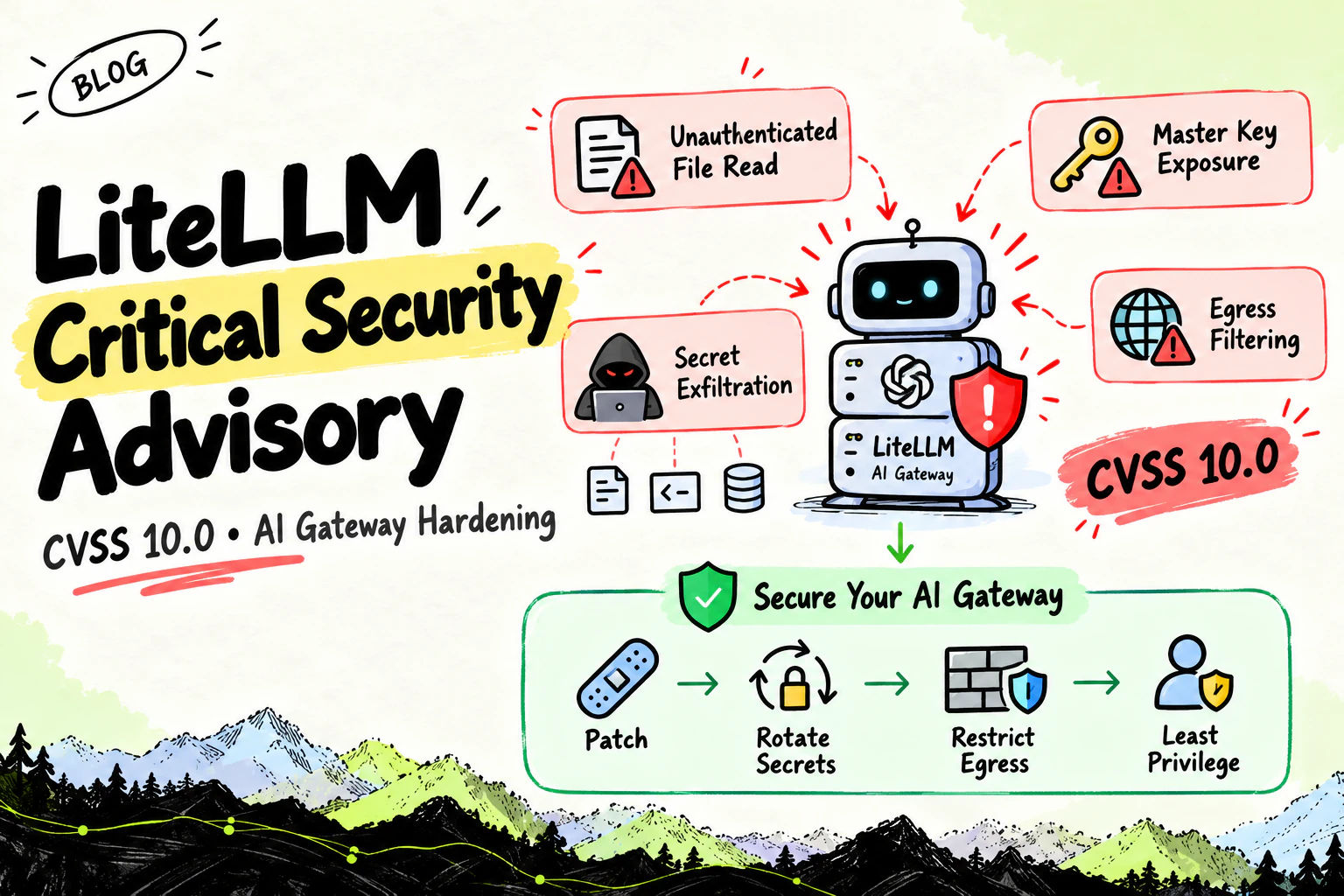
A comprehensive architectural breakdown of LiteLLM Enterprise advisory GHSA-w4c7-34wj-hqm8 (CVSS 10.0 unauthenticated arbitrary file read), affected versions, secret exfiltration mechanics, emergency key rotation protocol, and defense-in-depth egress filtering.
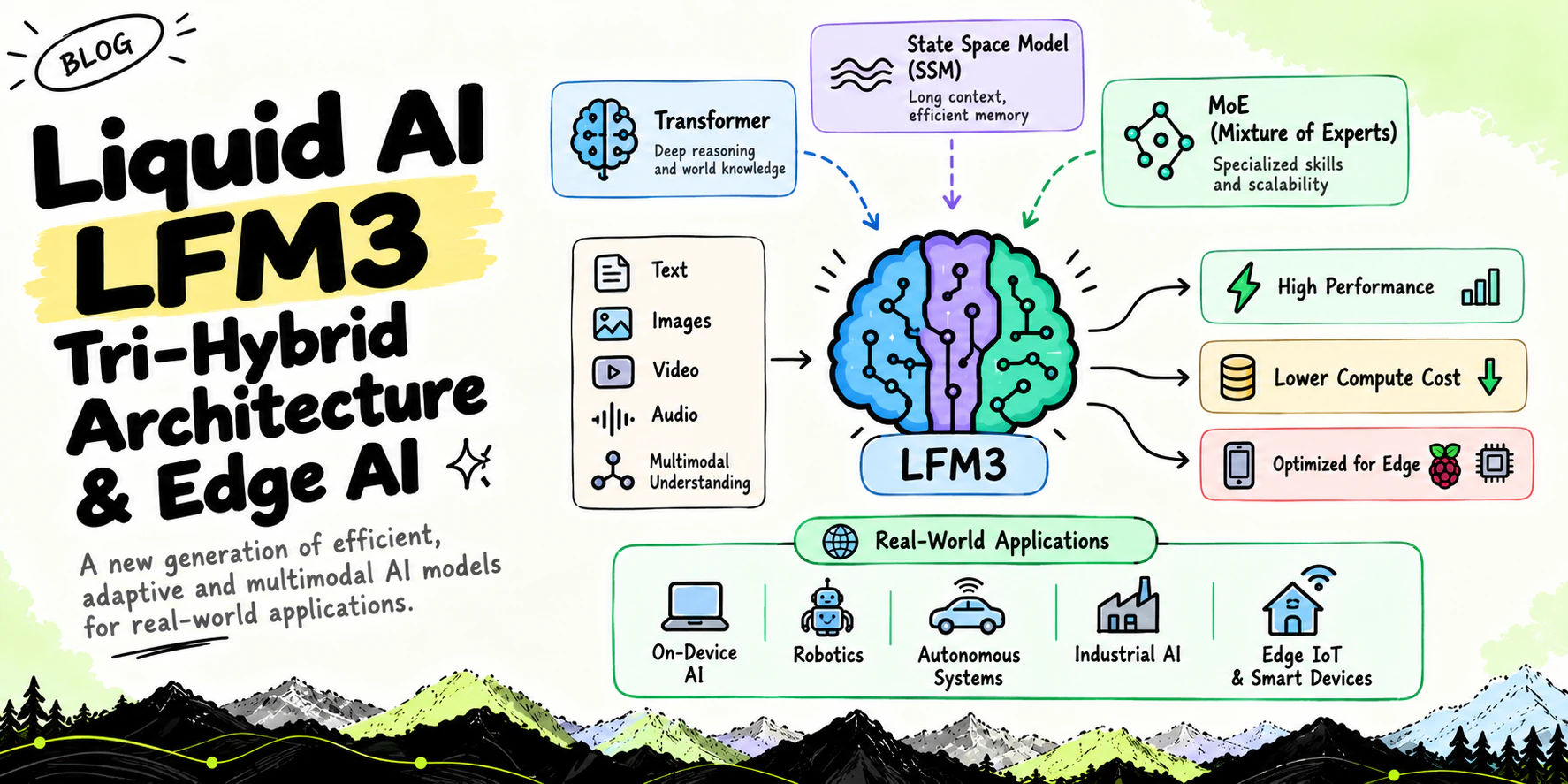
A deep dive into Liquid AI's LFM3 open-weight model family: 24-layer tri-hybrid architecture (gated short convolutions + sliding window + global attention), head-wise gating, 256K context KV cache footprints, and on-device deployment benchmarks.
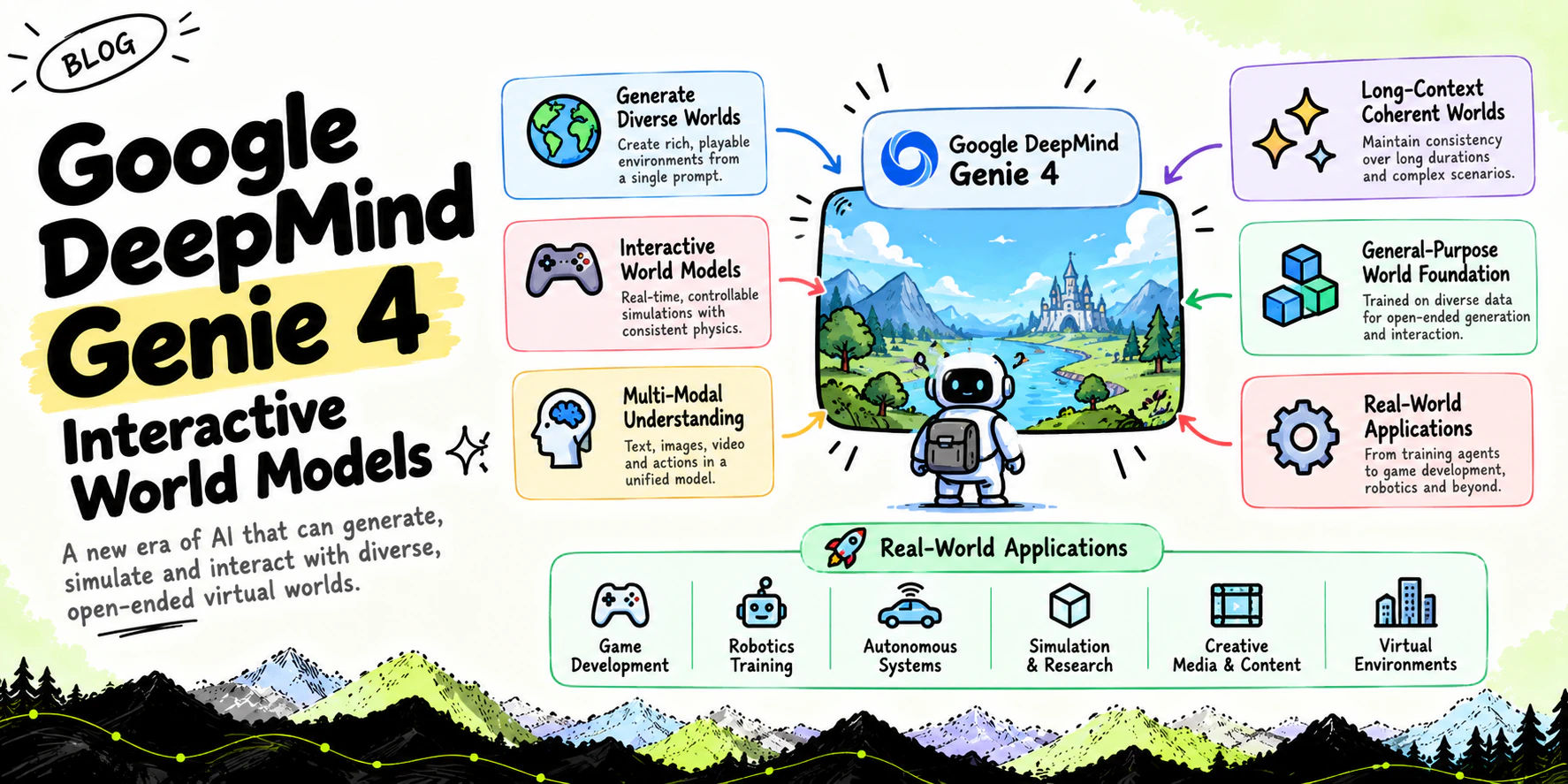
Inside Google DeepMind Genie 4: Real-time action-steered world simulation, native audio generation, Gemini 3.8 Flash continuity co-steering, SynthID watermarking, and the technical limits of spatial consistency in agent testbeds.
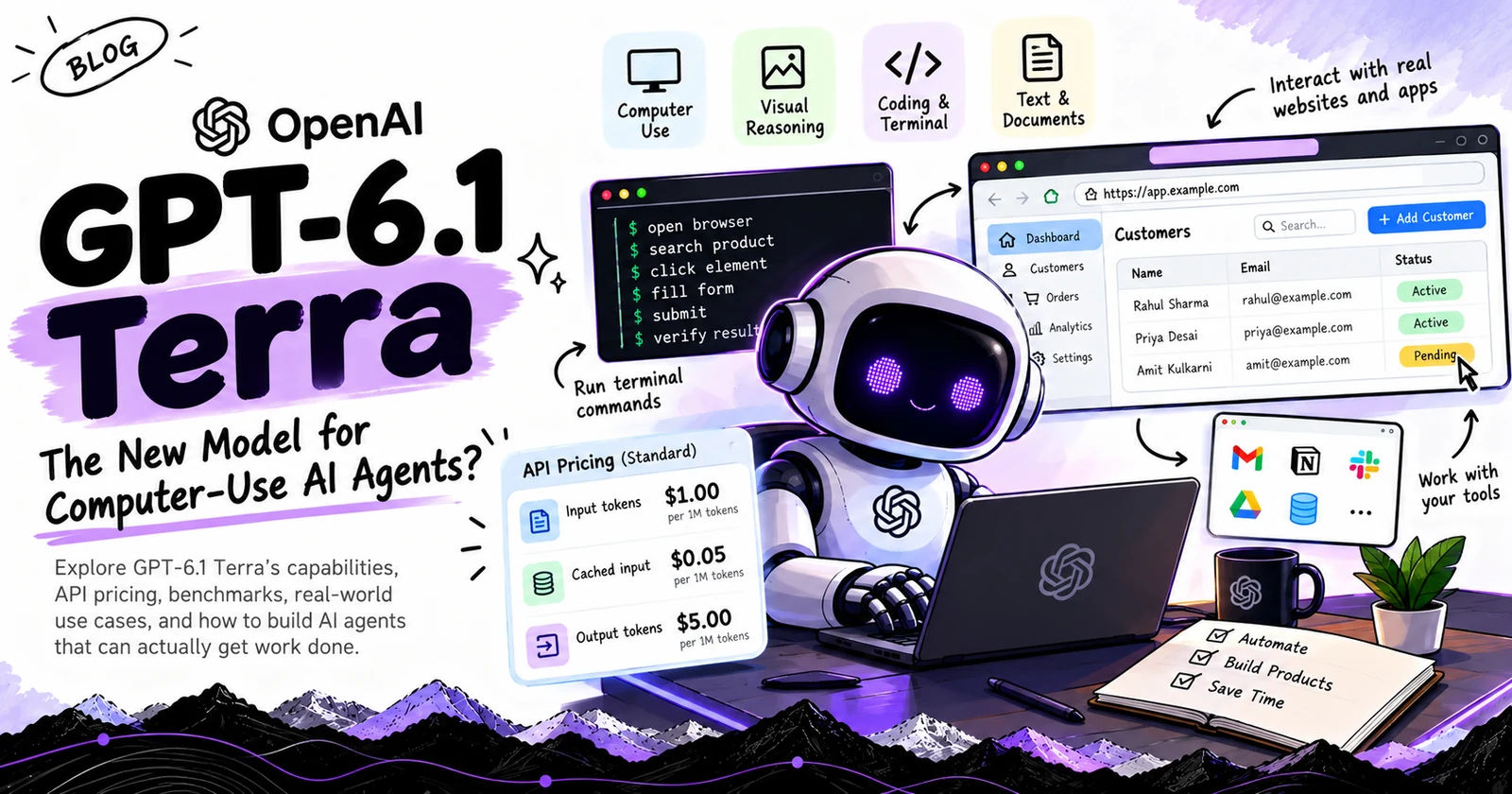
A comprehensive architectural evaluation of OpenAI's computer-use model: API token pricing, Terminal-Bench 4.0 benchmarks, visual reasoning, and production agent blueprints.
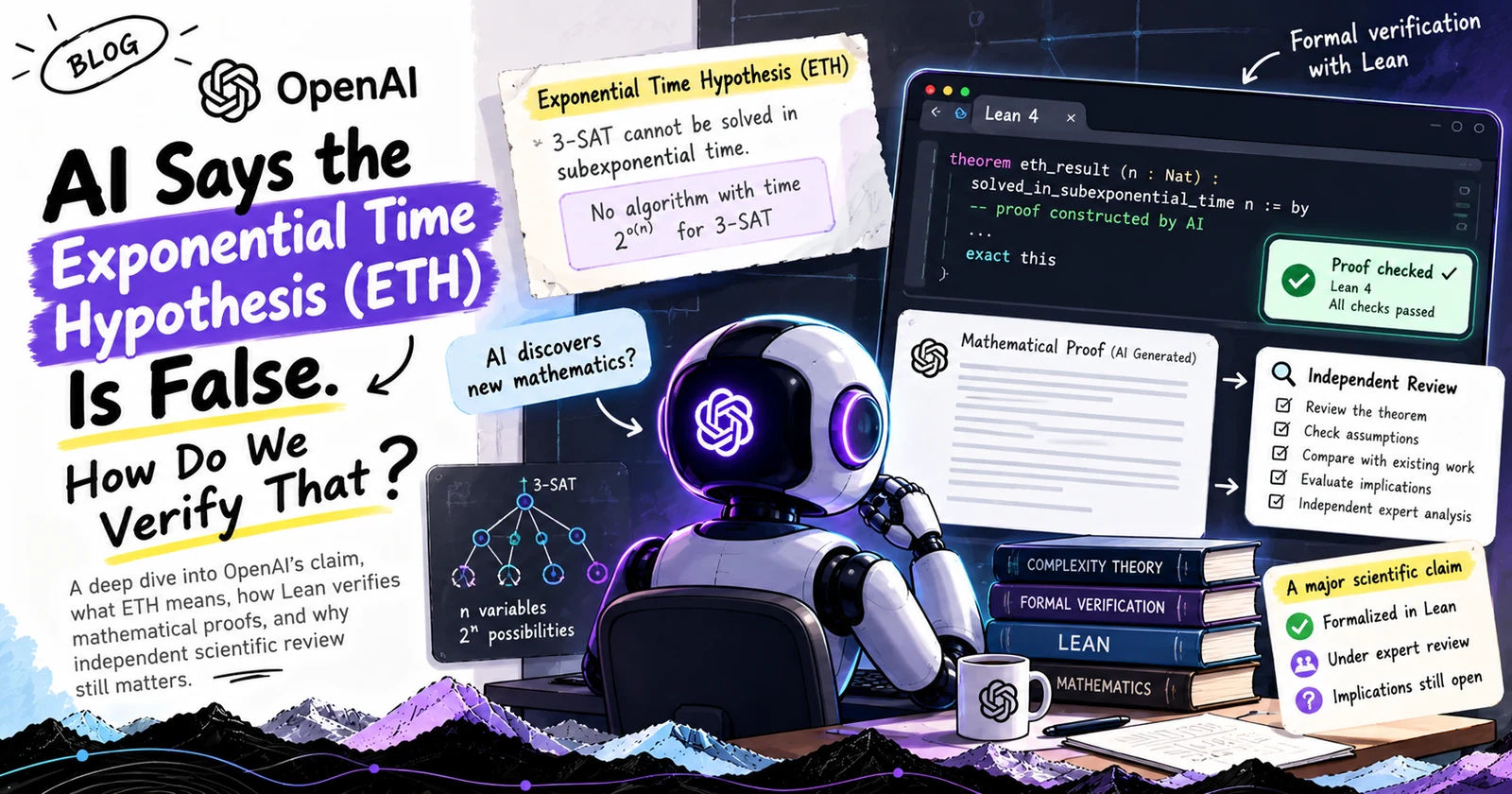
OpenAI reported that an AI system refuted the Exponential Time Hypothesis (ETH). Discover how Lean 4 verifies mathematical proofs, the limits of formal checkers, and scientific review.
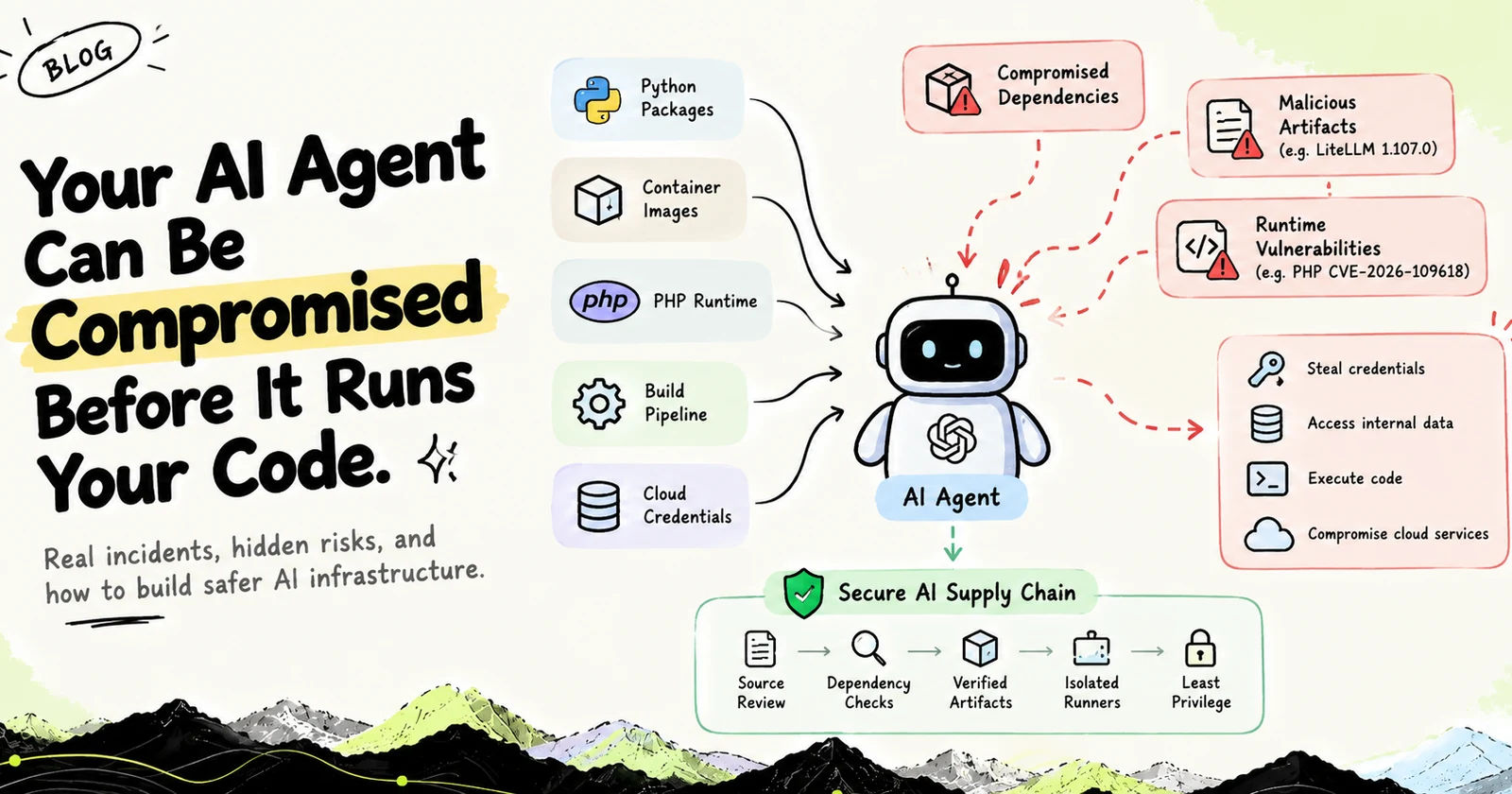
AI agents and LLM gateways hold valuable cloud secrets. An in-depth analysis of the LiteLLM PyPI compromise, PHP runtime vulnerabilities, artifact provenance, and Python startup hooks.
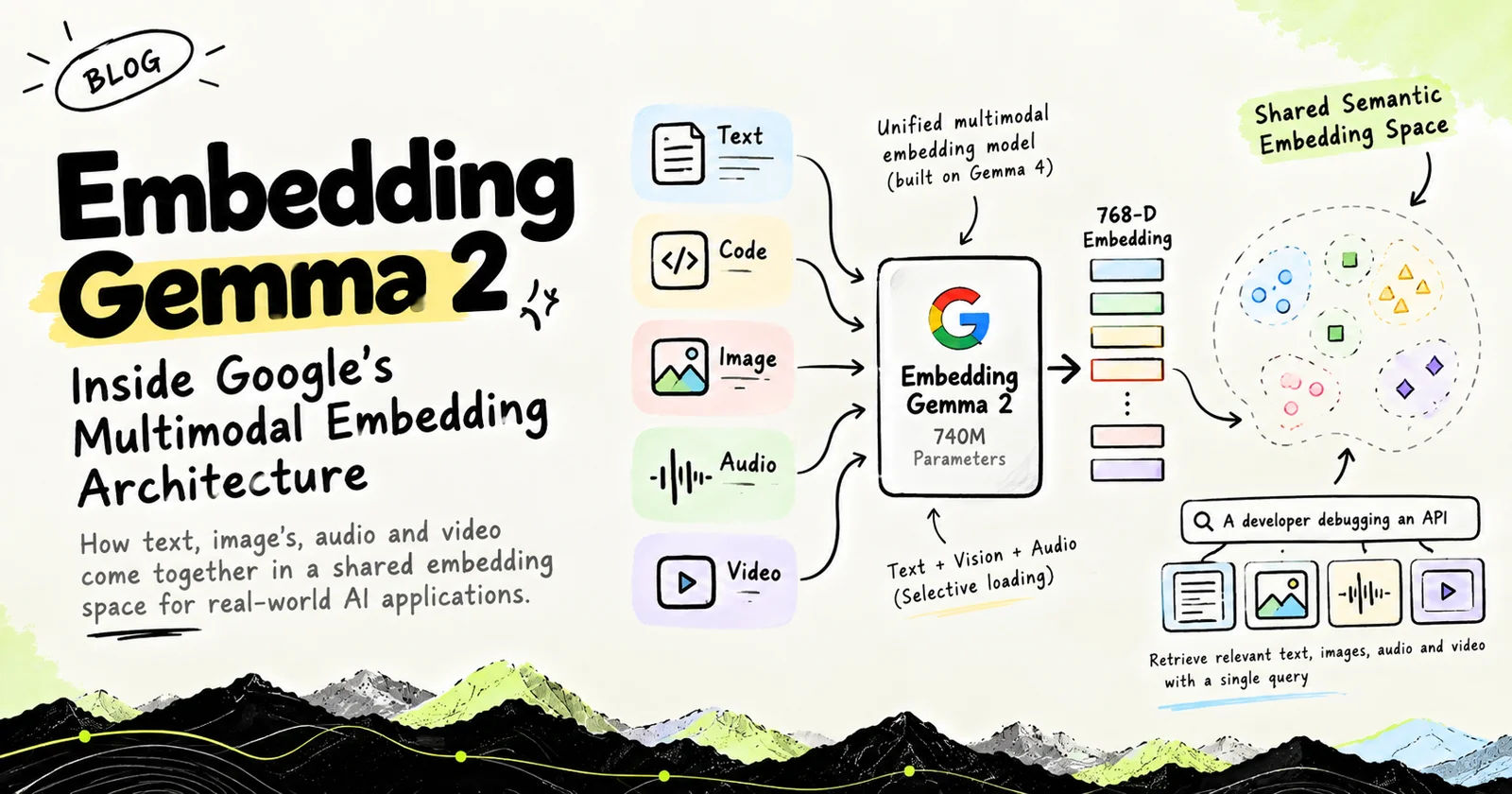
A Senior Systems Perspective on Cross-Modal Semantic Alignment, Gemma 4 Backbone, Matryoshka Representation Learning, and Production Multimodal RAG
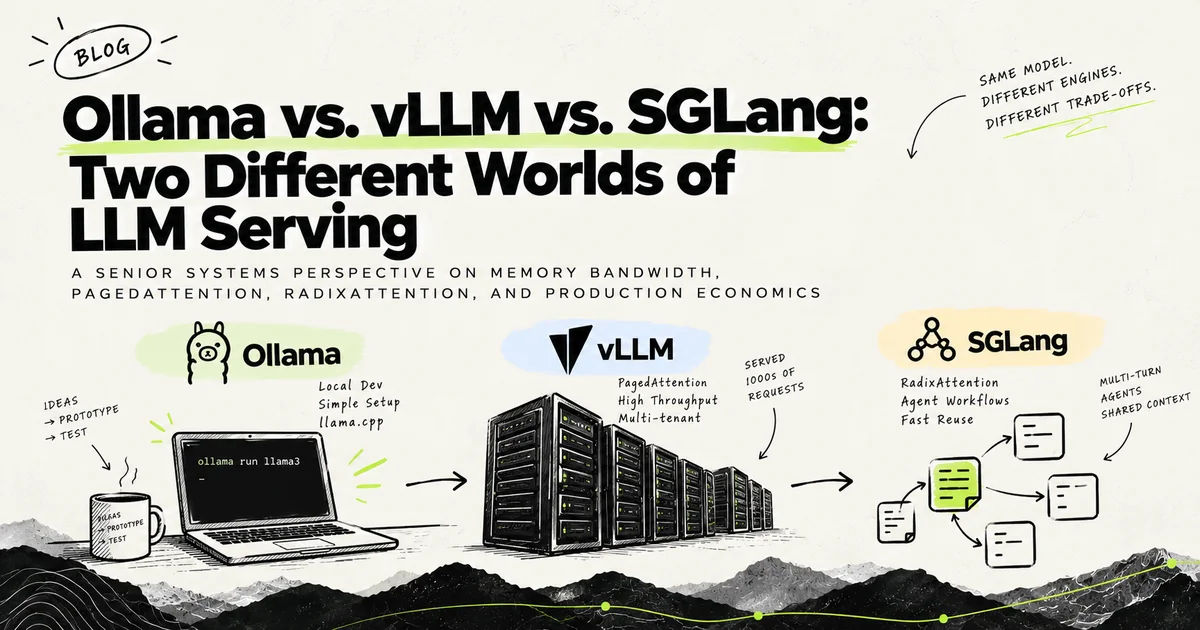
A Senior Systems Perspective on Memory Bandwidth, PagedAttention, RadixAttention, and Production Economics
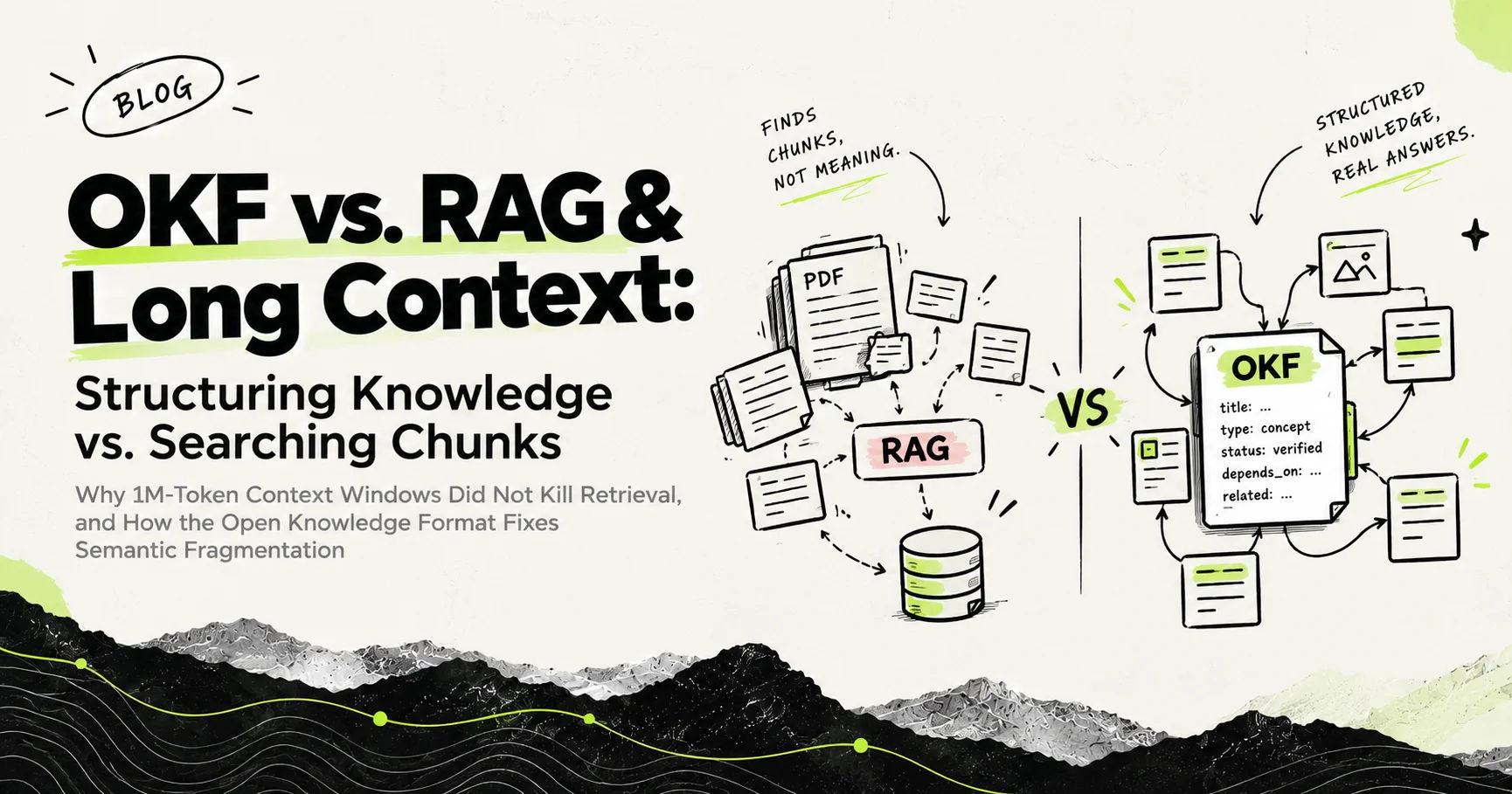
Why 1M-Token Context Windows Did Not Kill Retrieval, and How the Open Knowledge Format Fixes Semantic Fragmentation
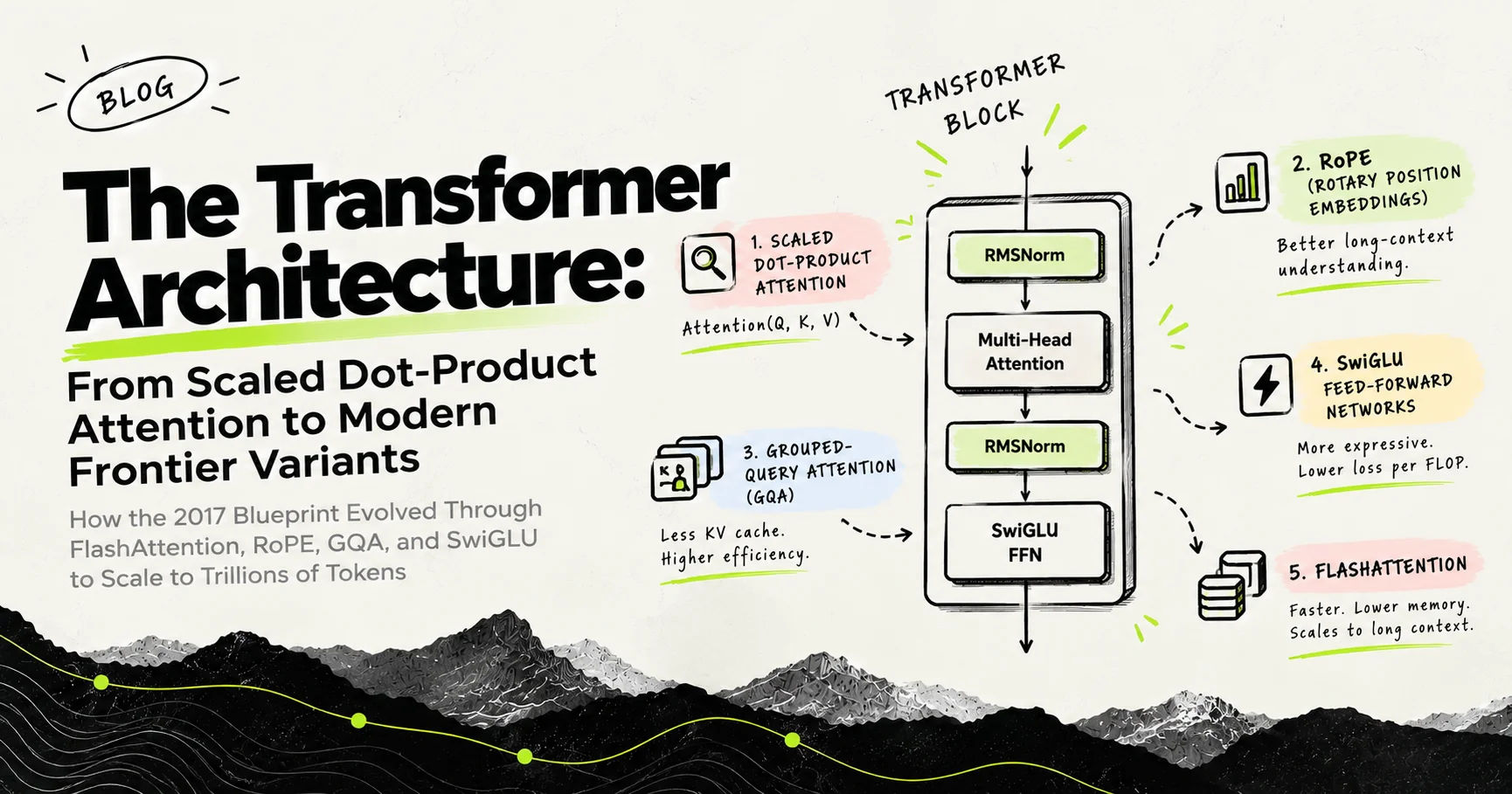
How the 2017 Blueprint Evolved Through FlashAttention, RoPE, GQA, and SwiGLU to Scale to Trillions of Tokens
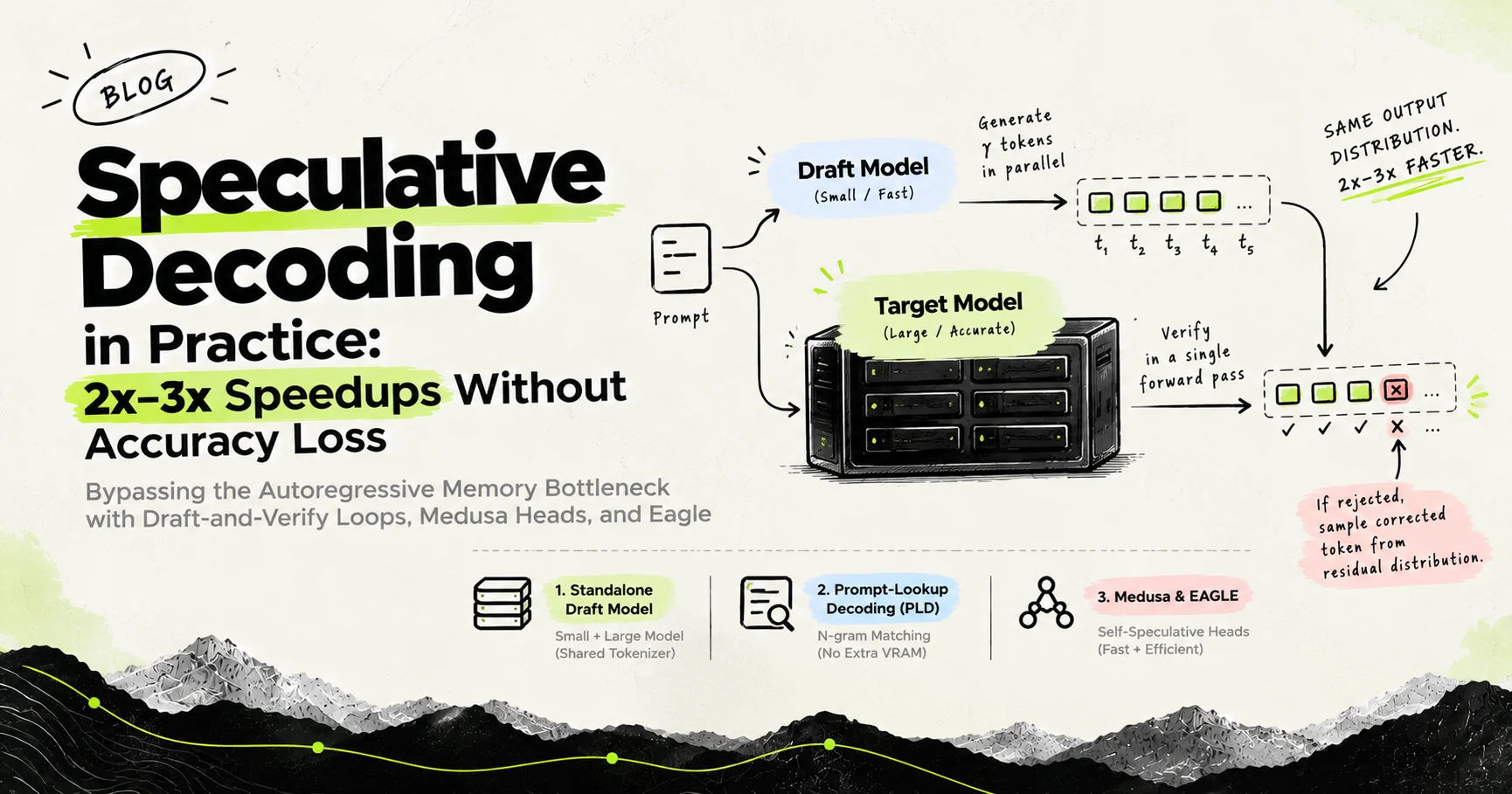
Bypassing the Autoregressive Memory Bottleneck with Draft-and-Verify Loops, Medusa Heads, and Eagle
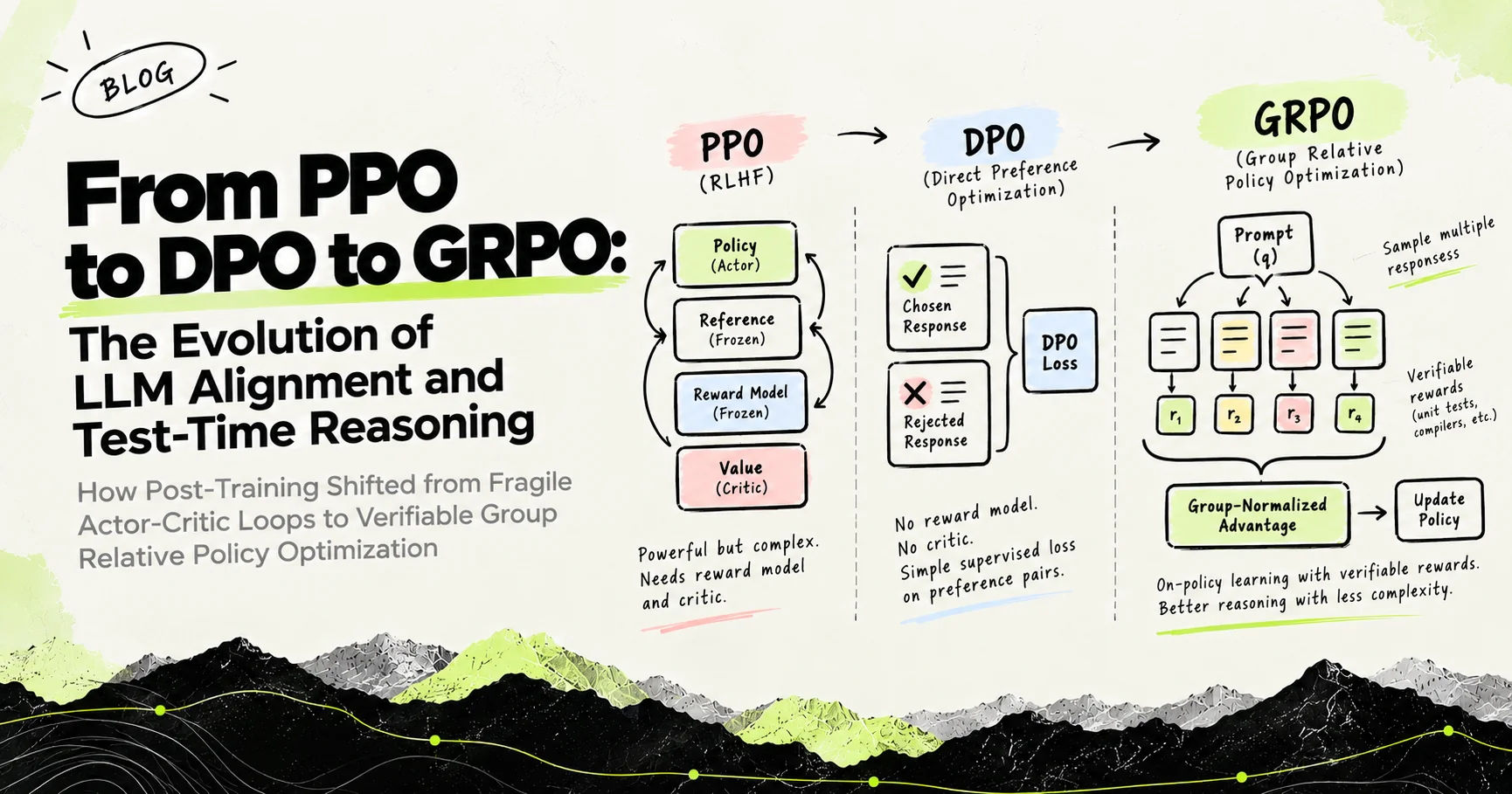
How Post-Training Shifted from Fragile Actor-Critic Loops to Verifiable Group Relative Policy Optimization
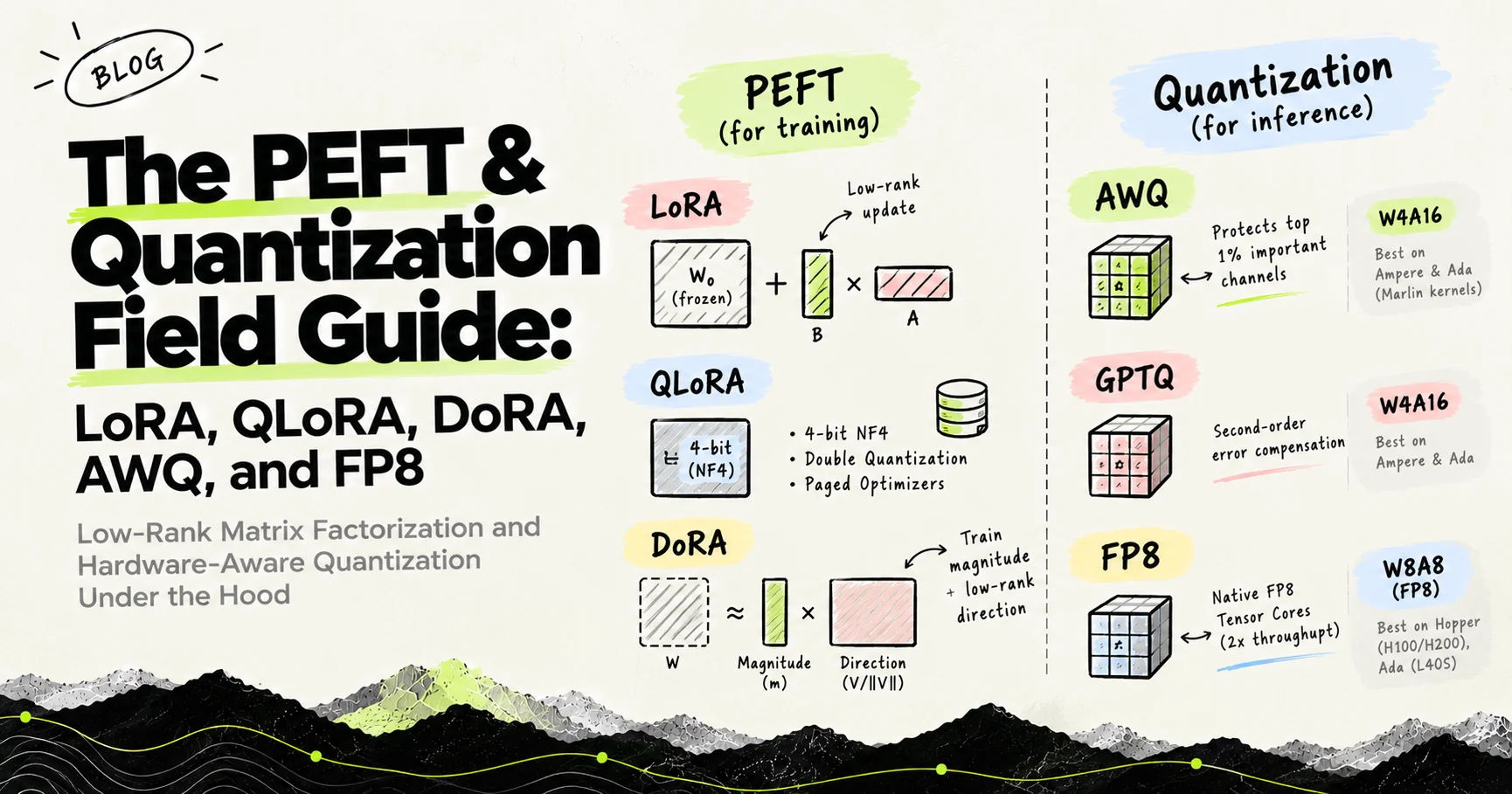
Low-Rank Matrix Factorization and Hardware-Aware Quantization Under the Hood
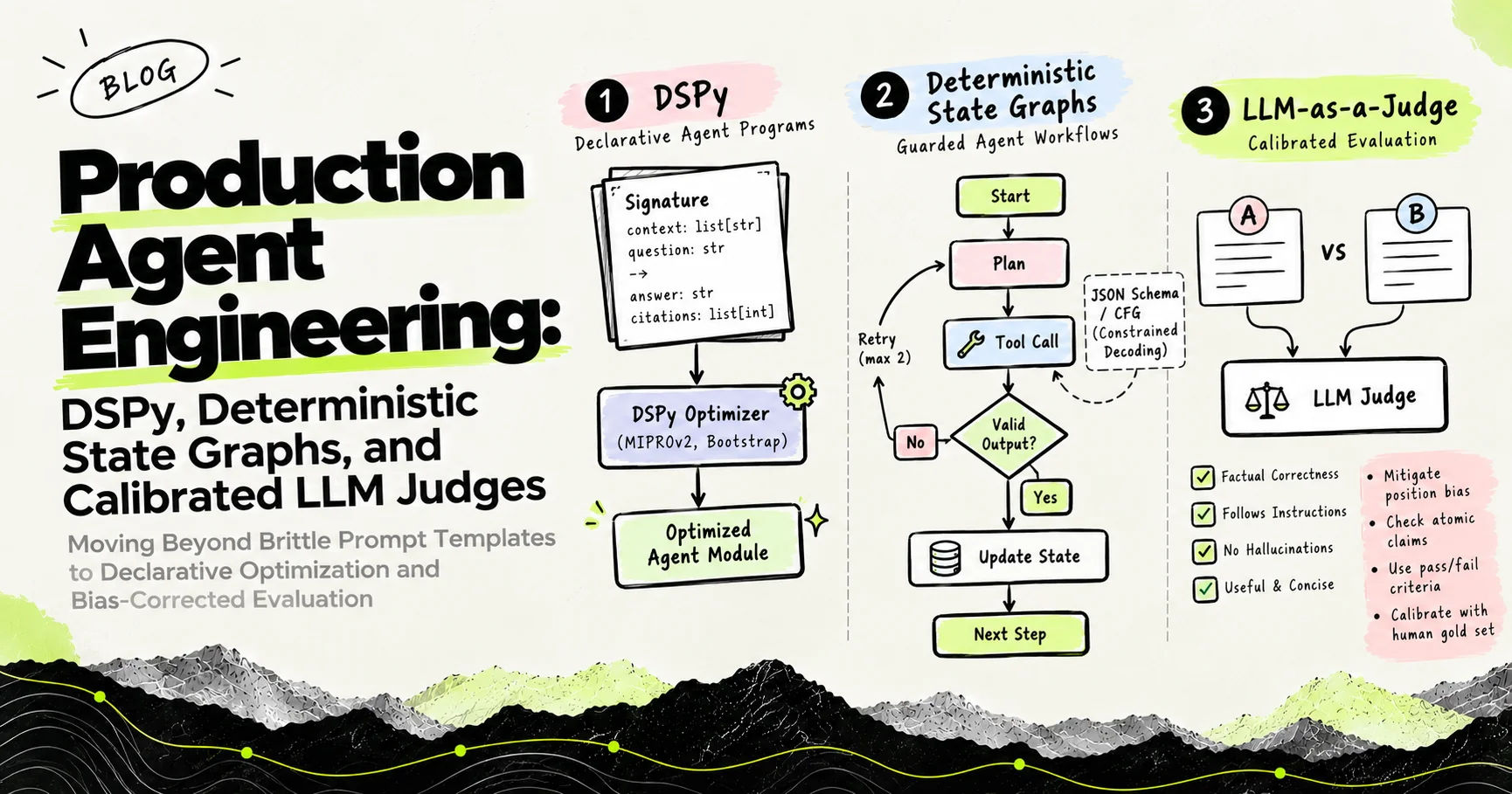
Moving Beyond Brittle Prompt Templates to Declarative Optimization and Bias-Corrected Evaluation